

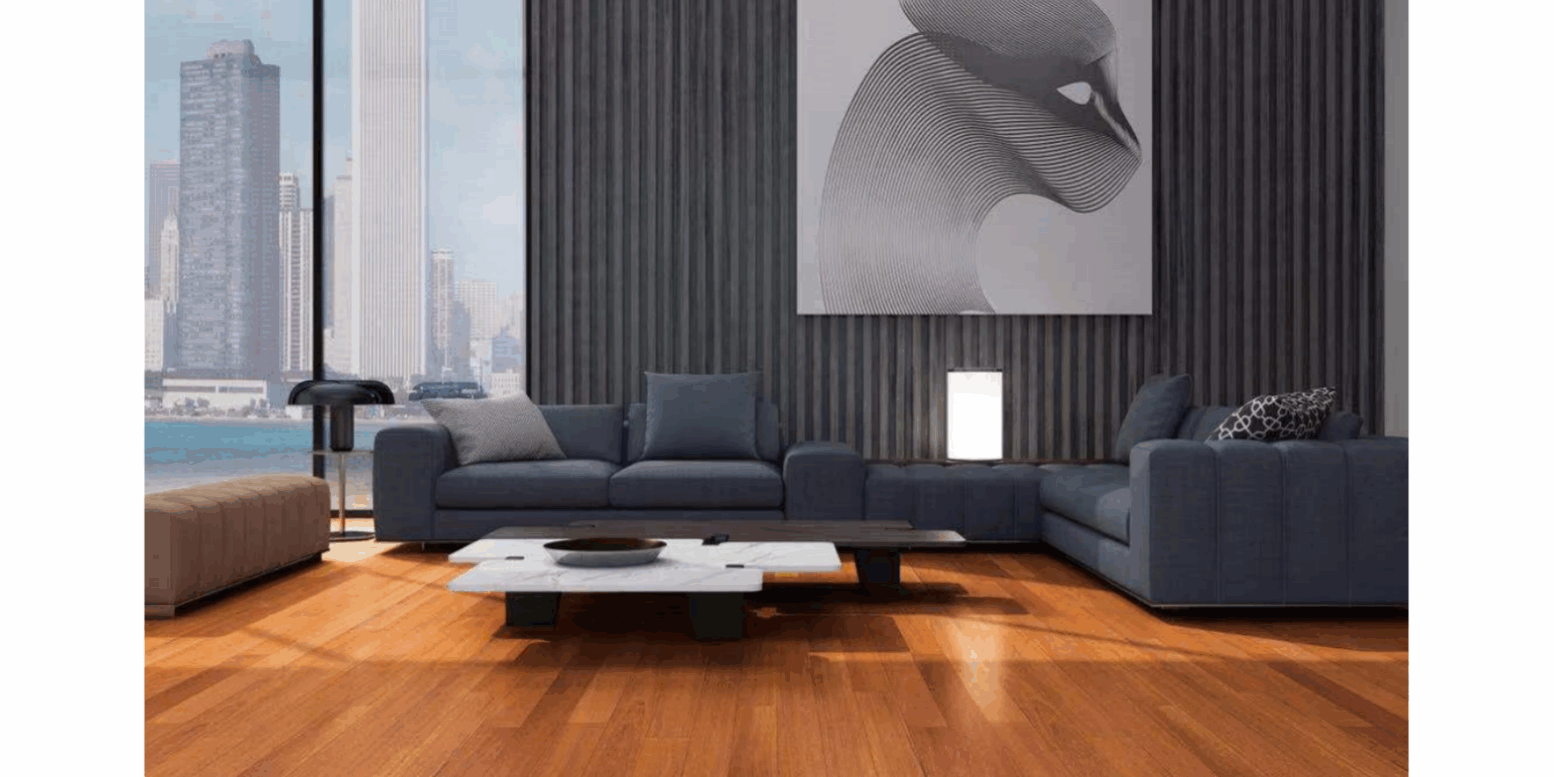
In today’s construction industry, sustainability is no longer an afterthought—it is a priority. Architects, designers, and procurement managers are increasingly seeking eco-friendly flooring solutions that combine durability with environmental responsibility. Whether for residential projects, office spaces, or commercial developments, sustainable wood flooring offers both style and long-term ecological benefits.
1. Bamboo Flooring: A Renewable Alternative
Among the most eco-friendly materials available, bamboo flooring stands out for its rapid growth cycle. Bamboo reaches maturity in just 5–7 years, compared to decades for traditional hardwoods. This makes it one of the most renewable flooring choices. By sourcing from trusted Bamboo Flooring Manufacturers, buyers can ensure materials are harvested responsibly and processed for strength, durability, and aesthetic appeal.
2. Engineered Wood Flooring: Reduced Resource Use
Engineered flooring is another sustainable option because it uses a thin layer of real hardwood combined with plywood or recycled backing. This design maximizes natural resources while still offering the appearance of solid wood. Partnering with Engineered Flooring Manufacturers allows procurement managers to secure flooring that balances environmental efficiency with high-performance stability.
3. Custom Wood Flooring: Sustainable Sourcing and Design
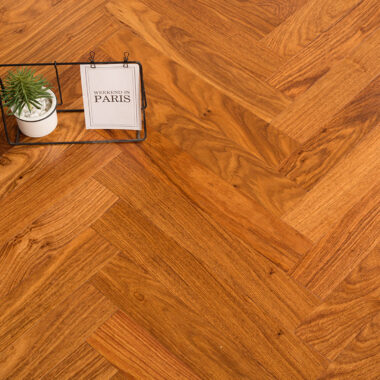
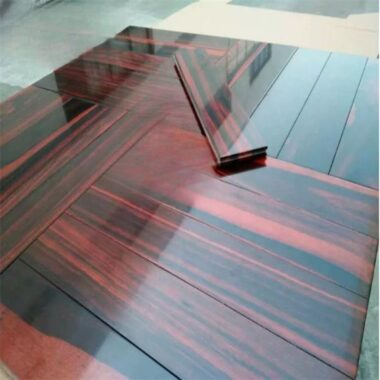
For projects requiring unique styles, custom wood flooring provides eco-friendly flexibility. Many suppliers now offer reclaimed or FSC-certified wood, reducing environmental impact while maintaining premium aesthetics. A reliable Custom Wood Flooring Supplier can tailor solutions to specific project requirements, from pattern design to surface treatments, while adhering to sustainable sourcing practices.
4. Finishing and Treatment Considerations
Beyond raw materials, the sustainability of wood flooring also depends on finishing treatments. Low-VOC adhesives, water-based finishes, and eco-certified coatings reduce harmful emissions and improve indoor air quality. Buyers should prioritize suppliers that meet international environmental standards, ensuring that sustainability covers the full lifecycle of the product.
5. Why Sustainable Flooring Matters
The global demand for eco-friendly building materials continues to grow. By choosing sustainable wood flooring, businesses benefit from:
-
Environmental Responsibility: Reducing deforestation and carbon footprint.
-
Long-Term Durability: Materials designed to withstand heavy traffic with less maintenance.
-
Market Value: Growing preference among clients for green-certified spaces.
-
Compliance: Meeting regulatory standards for sustainable construction.
Conclusion
Sustainable wood flooring offers the perfect balance of beauty, functionality, and environmental stewardship. From fast-growing bamboo to resource-efficient engineered flooring and responsibly sourced custom solutions, businesses have multiple eco-friendly options to choose from. By working with trusted partners such as Bamboo Flooring Manufacturers and Custom Wood Flooring Supplier, procurement managers can deliver projects that meet modern design standards while contributing to a greener future.